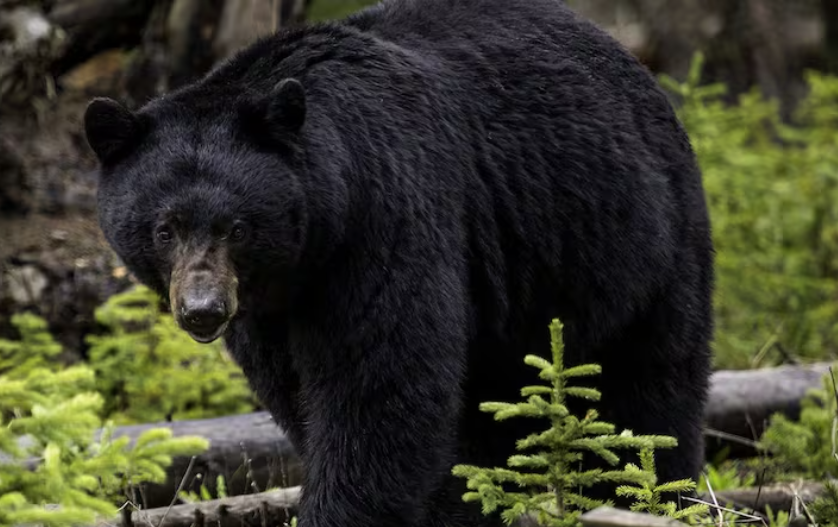
SEVIER COUNTY, Tenn. (WOKI / WVLT) – Gatlinburg police have begun enforcing Tennessee’s new bear-feeding law as wildlife officials continue to report a sharp increase in dangerous human-bear encounters across Sevier County.
According to city officials, the Gatlinburg Police Department has issued five citations for intentional bear feeding and 21 warnings for unintentional feeding since the law took effect on July 1.
Seth Butler, Gatlinburg’s director of operations and communications, said state law requires first-time warnings in cases of unintentional feeding, which can include improperly secured garbage, trash left around homes or food sources accessible to bears.
Intentional feeding cases require evidence and must either be witnessed by law enforcement officers or documented by a third party.
The enforcement effort comes amid mounting concerns about bear activity in the Smokies.
The Tennessee Wildlife Resources Agency recently reported that 60 bears have been euthanized in Sevier County and 61 statewide in 2026 because of significant human-bear conflicts. Officials say those incidents have included bears breaking into vehicles, damaging buildings and entering occupied structures.
Cabin Owner Says Social Media May Be Encouraging Risky Behavior
Local cabin owner Brittany Magsig, who operates Mountain Mama Cabins and Escapes and manages more than 60 rental properties in the Smokies, believes social media attention surrounding black bears may be contributing to some of the problems.
“It just feels like social media has made it more present where now we are viewing bears way too close,” Magsig said. “They’re getting fed and more, unfortunately, have to be put down because of it.”
Magsig said she regularly includes bear safety reminders in welcome messages sent to guests staying in her properties.
She encourages visitors to lock vehicle doors immediately upon arrival because bears can easily detect food left inside cars.
“I always say lock your door, even if you’re going 20 steps up into the cabin,” Magsig said. “Bears will come, they will open your car door. I’ve seen it happen myself.”
New Law Designed to Protect Bears and People
The Tennessee law that took effect in July makes it a criminal offense to feed bears and provides law enforcement agencies with additional enforcement tools.
Magsig said she supports the new law and believes citations will discourage risky behavior.
“I think when people know that’s the option of getting a ticket and law enforcement’s taking it seriously, that would stop so many people in their tracks,” she said.
Why Bears Are Being Euthanized
According to TWRA, the bears euthanized this year were involved in serious public safety incidents and exhibited behavior wildlife officials consider dangerous.
The agency said black bears involved in conflicts have been found breaking into homes, vehicles and occupied structures in search of food.
Wildlife officials note that Sevier County faces unique challenges because of its dense black bear population, millions of annual visitors and the close proximity of residential communities to bear habitat.
TWRA says numerous factors influence bear behavior, including natural food availability, weather conditions, tourism activity and the number of young bears entering new territories each year.
State wildlife officials have also noted that agencies across at least 15 states have reported increased bear activity this year. Drought conditions and changes in natural food sources are believed to be contributing factors.
Bear-Resistant Measures Continue
The City of Gatlinburg invested approximately $3 million in 2024 to install more than 460 bear-resistant dumpsters throughout the city.
TWRA says that investment has helped reduce access to garbage, but some bears already accustomed to obtaining food from people have shifted to other sources, including construction dumpsters, truck beds and trash generated by cabin cleaning operations.
Officials continue to encourage residents and visitors to follow BearWise recommendations, secure garbage, remove food attractants and never intentionally feed bears.
Wildlife experts say preventing bears from associating people with food remains the most effective way to reduce conflicts and help keep both residents and bears safe.