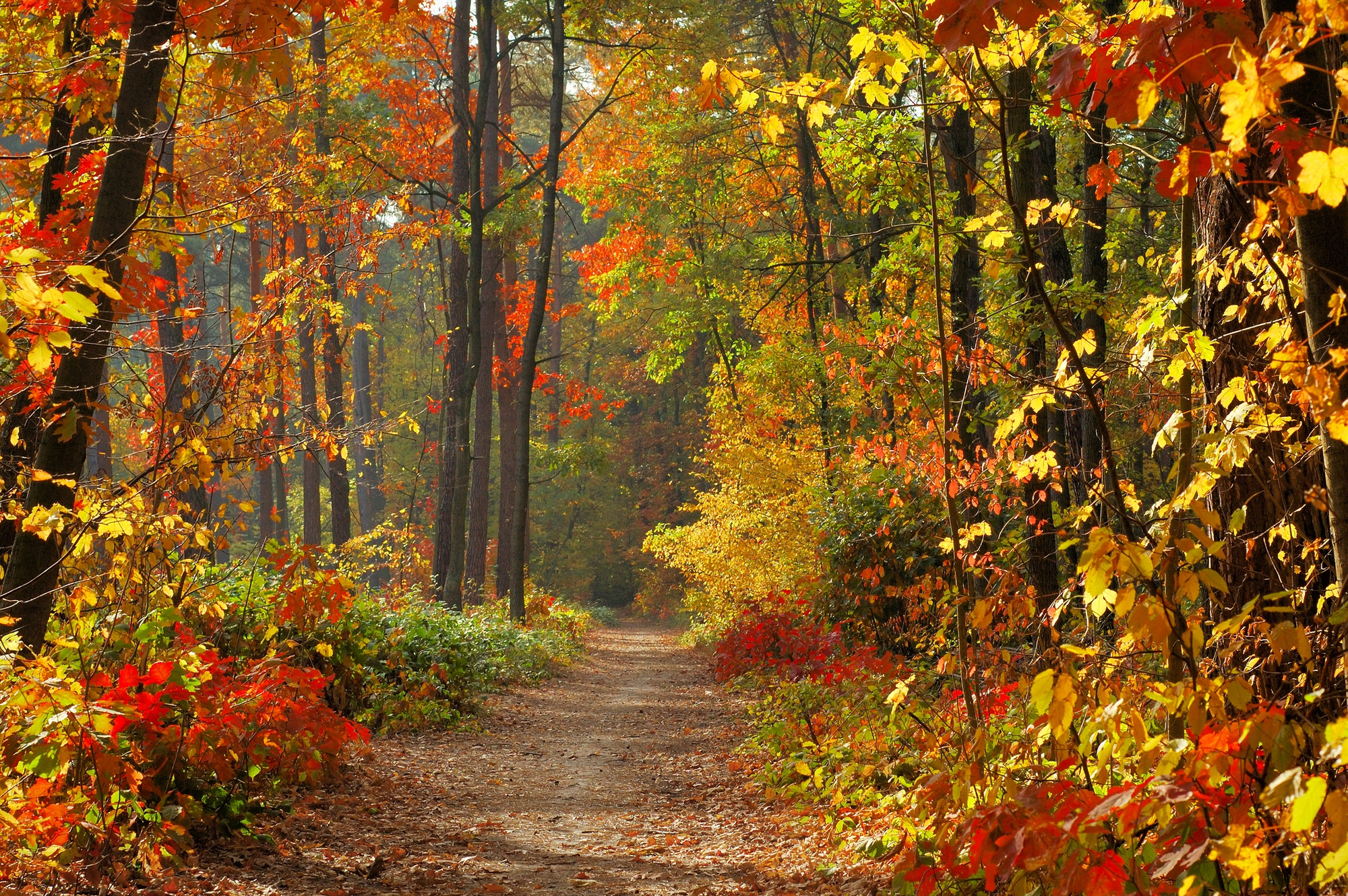
KNOXVILLE, Tenn. (WOKI / WVLT) – If the Smoky Mountains seem a little greener than usual this October, there’s a reason.
Meteorologists say fall color development across East Tennessee and the Great Smoky Mountains is running behind schedule this year due to an extended stretch of warm weather and recent dry conditions.
Temperature Plays Key Role
Several factors influence when leaves begin changing colors each autumn, including the length of daylight, temperature and moisture levels.
The length of nighttime hours remains consistent from year to year, leaving temperature and moisture as the primary reasons for differences in the timing and intensity of fall foliage.
This year, September brought unusually warm conditions to East Tennessee.
According to weather data, 25 of September’s 30 days were warmer than average, with many significantly above normal temperatures. October has also featured several summer-like days, prolonging the growing season and slowing the transition to fall.
Cool Nights Drive Color Change
Meteorologists say overnight temperatures are often more important than daytime highs when it comes to fall foliage.
Cool nights help break down chlorophyll, the pigment responsible for the green color in leaves. As chlorophyll fades, the yellow, orange and red pigments beneath become visible.
Because overnight temperatures have remained warmer than normal, that process has been delayed across much of the region.
The result has been a landscape that has stayed greener longer than what residents typically expect by mid-October.
Dry Conditions Also a Factor
A lack of rainfall in recent weeks may also influence both the timing and vibrancy of fall colors.
Dry conditions can stress trees and affect how leaves change, potentially impacting the intensity of autumn foliage displays in some areas.
While drought conditions have not completely halted the color change, they have contributed to the slower progression being seen in parts of the Smokies and East Tennessee.
Relief on the Way
There is good news for leaf-watchers.
Forecasters say temperatures are expected to return to more seasonable levels next week, bringing cooler mornings and overnight lows that should help advance the color-changing process.
As cooler air settles across the region, more of the Smokies’ iconic reds, oranges and yellows are expected to emerge.
For now, experts say visitors may need a little extra patience, but peak fall color season is still on the way.