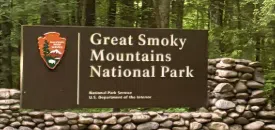
GATLINBURG Tenn. (Story courtesy of WVLT) – The Great Smoky Mountains National Park is urging visitors who plan to enter to park to properly prepare following a high number of emergency incidents in March.
The National Park Service said hiking in the Smokies can carry risks because trail conditions can change quickly. This includes swollen streams, washed out bridges, downed trees and erosion.
In March, park rangers responded to the following emergencies:
- 18 backcountry search and rescue incidents, including 2 Tennessee Army National Guard hoist extractions and 4 technical rope rescues.
- 15 front‑country EMS calls, with 4 patients transported by UT Medical Center Life Flight.
- 5 backcountry 911 calls resolved through phone contact, preventing the need for full rescue responses.
Clayton LaPress, owner-operator of Smoky Mountain Guides, says his team is out in the park daily. He said the same problem keeps showing up: visitors heading into the mountains without a plan and without the right clothing or gear for changing conditions.
“The thing we probably notice the most is just being unprepared,” LaPress said. “So, having a proper plan, knowing where you’re going, knowing your abilities, and then traveling in areas that you’ve kind of researched. We see a lot of people hiking in attire that is not recommended for trails and backcountry.”
LaPress says the Smokies sit in a temperate rainforest, meaning weather can flip from sun to heavy rain and from comfortable to cold, even in summer. Without proper clothing, water, food and a way to stay warm, a simple slip or wrong turn can quickly turn into a life-threatening emergency.
Despite the risks, families keep coming back. Angela DeQuardo and her family drove down from Wisconsin, drawn by the mix of cabins, trails and tourist fun in town.
“There’s a little bit of everything,” DeQuardo said. “So, dad likes the cabin in the woods in the wilderness. And we like just having the nature trails. And there’s a little bit of fun in Gatlinburg and Pigeon Forge, so we do a little bit of everything.”
DeQuardo says her family focuses on sunblock, hydration and snacks. LaPress recommends taking it a step farther: pack a small backpack with water, food, extra layers, a headlamp and a first-aid kit, and know how to use it. He also suggests starting on lower-elevation trails like Elkmont or Greenbrier before moving to more rugged terrain.
For those planning to enter the park, NPS said you are responsible for the following:
- Research your route and destination
- Trails vary widely in difficulty, elevation gain and exposure. Whether you’re day hiking or backpacking, come with a plan before you arrive to the park.
- Call the backcountry office at 865-436-1297 for backcountry trip planning advice.
- Carry the right gear
- Essentials include plenty of water, warm layers, rain protection, food, a map and a flashlight or headlamp with extra batteries.
- Have a backup plan
- Parking areas and popular trailheads often fill early, which may mean you need to hike a different trail. Illegally parked vehicles will be ticketed or towed.
- Know your limits
- Choose activities that match your physical ability, comfort level and experience with backcountry terrain.
- Stay weather-aware
- Conditions in the mountains can shift rapidly, especially during spring.
- Tell someone your plan
- Share details about where you’re going and when you expect to return. Emergencies can happen to anyone.
Visitors can check the park website for trip planning resources, trail information and real-time updates.